Stanisław Franciszczak - Warrant Officer of the 55th Infantry Regiment (1st Greater Poland Rifle Regiment)
Author: Artur Michalak
Stanisław Franciszczak was born in 1897 in Jeżyce, then a separate town, located near Poznań (since 1900 within the city limits). Like other peers, he graduated from primary school, then studied at the School of Commerce and Trade in Poznań, obtaining the profession of a salesman, and also completed a professional internship at the Eugen May Canning Factory. From an early age, he was fascinated by the history of Poland; this passion arose thanks to the patriotic attitude of his parents, who introduced him to the history of his native country. His patriotism resulted in joining a new organization established in Poznań in 1913 – i.e. scouting.
In 1914, World War I broke out, an armed conflict that engulfed most of Europe, including the three partitioning powers occupying Polish lands. Seeing the opportunity to free Greater Poland from the rule of the occupying power as a result of the outbreak of the Great World War, he joined the secret organization "Czarni" in 1915. However, at the age of 19, Franciszczak, as a Prussian subject, was called up for military service, and after training, he went to the front, where he took part in combat until 1918, specializing in operating a heavy machine gun (CKM).
In 1918 he joined the Polish Military Organization of the Prussian Partition (POW). Threatened with arrest, he fled to Berlin, where he received false documents from a Polish friend, which allowed him to return to Poznań. Upon hearing about the outbreak of fighting in the city, which was caused, among other things, by the visit of Ignacy Jan Paderewski, he joined the Wildecka Company. There he became commander of a heavy machine gun platoon and also trained recruits in its use. Volunteers from Wilda took part in, among other things, the capture of the Police Presidium, the Arsenal on Wielkie Garbary Street, and the airport in Ławica. These soldiers were incorporated into the newly formed 1st Greater Poland Rifle Regiment very quickly. After training, the regiment was sent to Lwów, where fierce Polish-Ukrainian fighting took place. Then, as a peacekeeping force, in July 1919, the regiment was sent to Leszno, including the Włoszakowice area, where it was to ensure compliance with the Polish-German armistice concluded on February 16, 1919, in Trewir.
This is how Stanisław Franciszczak recalls his stay near Leszno in 1919:
Stanisław Franciszczak was born in 1897 in Jeżyce, then a separate town, located near Poznań (since 1900 within the city limits). Like other peers, he graduated from primary school, then studied at the School of Commerce and Trade in Poznań, obtaining the profession of a salesman, and also completed a professional internship at the Eugen May Canning Factory. From an early age, he was fascinated by the history of Poland; this passion arose thanks to the patriotic attitude of his parents, who introduced him to the history of his native country. His patriotism resulted in joining a new organization established in Poznań in 1913 – i.e. scouting.
In 1914, World War I broke out, an armed conflict that engulfed most of Europe, including the three partitioning powers occupying Polish lands. Seeing the opportunity to free Greater Poland from the rule of the occupying power as a result of the outbreak of the Great World War, he joined the secret organization "Czarni" in 1915. However, at the age of 19, Franciszczak, as a Prussian subject, was called up for military service, and after training, he went to the front, where he took part in combat until 1918, specializing in operating a heavy machine gun (CKM).
In 1918 he joined the Polish Military Organization of the Prussian Partition (POW). Threatened with arrest, he fled to Berlin, where he received false documents from a Polish friend, which allowed him to return to Poznań. Upon hearing about the outbreak of fighting in the city, which was caused, among other things, by the visit of Ignacy Jan Paderewski, he joined the Wildecka Company. There he became commander of a heavy machine gun platoon and also trained recruits in its use. Volunteers from Wilda took part in, among other things, the capture of the Police Presidium, the Arsenal on Wielkie Garbary Street, and the airport in Ławica. These soldiers were incorporated into the newly formed 1st Greater Poland Rifle Regiment very quickly. After training, the regiment was sent to Lwów, where fierce Polish-Ukrainian fighting took place. Then, as a peacekeeping force, in July 1919, the regiment was sent to Leszno, including the Włoszakowice area, where it was to ensure compliance with the Polish-German armistice concluded on February 16, 1919, in Trewir.
This is how Stanisław Franciszczak recalls his stay near Leszno in 1919:
In July 1919, our third battalion, together with the 4th machine gun company, set off from Poznań via Grodzisk and Wolsztyn and landed at the station in Włoszakowice, from where it soon marched to the village to its designated quarters, to relieve the 6th Greater Poland Rifle Regiment the next day and take over the designated sector.
Franciszczak's unit was then sent to the Klonówiec area, where skirmishes with German forces periodically occurred. Mr. Stanisław recalls it this way:
One night, while the Germans were illuminating our foreground, I aimed one of our machine guns at this searchlight, pulling both bolts hard, and as the searchlight went out, I waited until it came on again. It took me a while to realize this; I quickly checked the direction of aim again and fired a single shot. The searchlight went out immediately, and the next day a German parliamentarian came to us with a complaint that an officer had been killed at the searchlight during the night.
The next stage in Stanisław Franciszczak's soldiering career was the Polish-Bolshevik War. As part of the Lithuanian-Belarusian front, the 1st Greater Poland Rifle Regiment was renamed the 55th Infantry Regiment on December 10, 1919. He fought, among others, in the area of Bobrujsk, Szaciłki, Bereza Kartuska and Janów Podlaski. Fierce fighting was also carried out near Lasków, in which Sergeant Franciszczak particularly distinguished himself. In recognition of his heroism, he was awarded the Cross of the Virtuti Militari, Class V, and the Cross of Valor. It is worth quoting the content of the Commander of Sergeant Stanisław Francisczak's application for awarding the Virtuti Militari Cross:
Near the village of Lasków on September 16 and 17, 1920, the 2nd Battalion took up positions, having the 5th Company and the 2nd Platoon of the 4th Company in reserve. To the left of the village were muddy fields, difficult to cross. The defensive line extended beyond these marshes. The enemy attacked several times; during the day he attacked the village in order to cut off the left wing and throw it into the mud. Sergeant Francisczak was given the task of holding the enemy at all costs on the village line if they broke through the defensive line, and of counterattacking to throw them back to their old positions. At night, two strong columns of the Bolsheviks violently attacked and broke through the front and ran into the village. Thanks to the extraordinary vigilance of Sergeant Franciszczak, he immediately placed the platoons in the indicated position, allowed the Bolshevik column to approach at close range and opened fire. The regiment's assistant commander, adjutant, and several communists fell dead, among many dead and wounded Bolsheviks.
Despite persistent attempts by the enemy and heavy losses in our army, Francisczak hunted down the enemy, not allowing him to leave the village, and thus saved the critical situation of the left wing. He then took the initiative from the enemy and led the platoon he had called up on his own in a counterattack. Thanks to his exceptional accuracy and extraordinary energy in pursuing the enemy, he contributed to the Bolsheviks being unable to regain control and leaving behind all five machine guns, numerous light rifles, and many prisoners. The entire retreat route was strewn with wounded and dead.
After returning from the front, the 55th Infantry Regiment was sent to Krotoszyn, then in 1921 to Leszno (1st Battalion) and Rawicz (2nd and 3rd Battalions). Senior Sergeant Stanisław Franciszczak was stationed in the 2nd Battalion in Rawicz. As an ambitious non-commissioned officer, in 1922 he passed the officer cadet examination in Poznań, which opened the way for his promotion to the rank of warrant officer, which was an officer rank in the interwar period. Unfortunately, reforms undertaken in the army, including the abolition of this rank in 1922, meant that he was only promoted to warrant officer in 1938.
While serving in the Rawicz garrison, in 1925 he married a resident of Leszno, Wanda Wunsch (1907–1987). A year later, in 1926, he was sent to Leszno along with the entire 2nd Battalion to the newly built barracks named after King Stanisław Leszczyński, located on what was then Cmentarna Street (now Jana Paweł II Avenue). Here, until September 1939, he held various positions, including commander of the machine gun platoon, head of the regiment's chancellery, adjutant of the Leszno Military District, and president of the Professional Non-Commissioned Officers' Association of the 55th Infantry Regiment. He was also co-author of a manual for training infantry non-commissioned officers of the 55th Poznań Infantry Regiment.
Like many married non-commissioned officers, he struggled with housing problems; a business apartment in the barracks became too small for the growing family. Therefore, in 1935 he took out a loan from Bank Gospodarstwa Krajowego to build a detached house (currently Racławicka Street 4). Thanks to the funds obtained, in 1937 he was able to move into a new building with a garden, located right next to the barracks. The contractor of the project was the Bruno Spichal company from Święciechowa. In the interwar period, he was repeatedly appreciated and awarded for his service, he was awarded the Medal of Independence, the Bronze Cross of Merit, the Commemorative Medal for the War of 1918–1921, the Medal of Regained Independence, the Silver and Bronze Medal for Long Service.
On September 1, 1939, the Germans attacked Poland. Subunits of the 55th Infantry Regiment were directed to suppress the activities of German saboteurs from the area of Leszno. Stanisław Franciszczak also took part in this operation – as an experienced soldier and veteran of the Greater Poland Uprising, he perfectly fulfilled the tasks entrusted to him. With the onslaught of German troops, on September 3, 1939, the Leszno regiments left the city, fighting numerous skirmishes with the enemy, and reached the Bzura line, where the largest battle of the September campaign took place. Despite initial successes, the Polish forces defeated the Pomeranian and Poznań Armies, and the 55th Infantry Regiment suffered the same fate. Ensign Franciszczak was captured near Kutno on September 19/20, 1939.
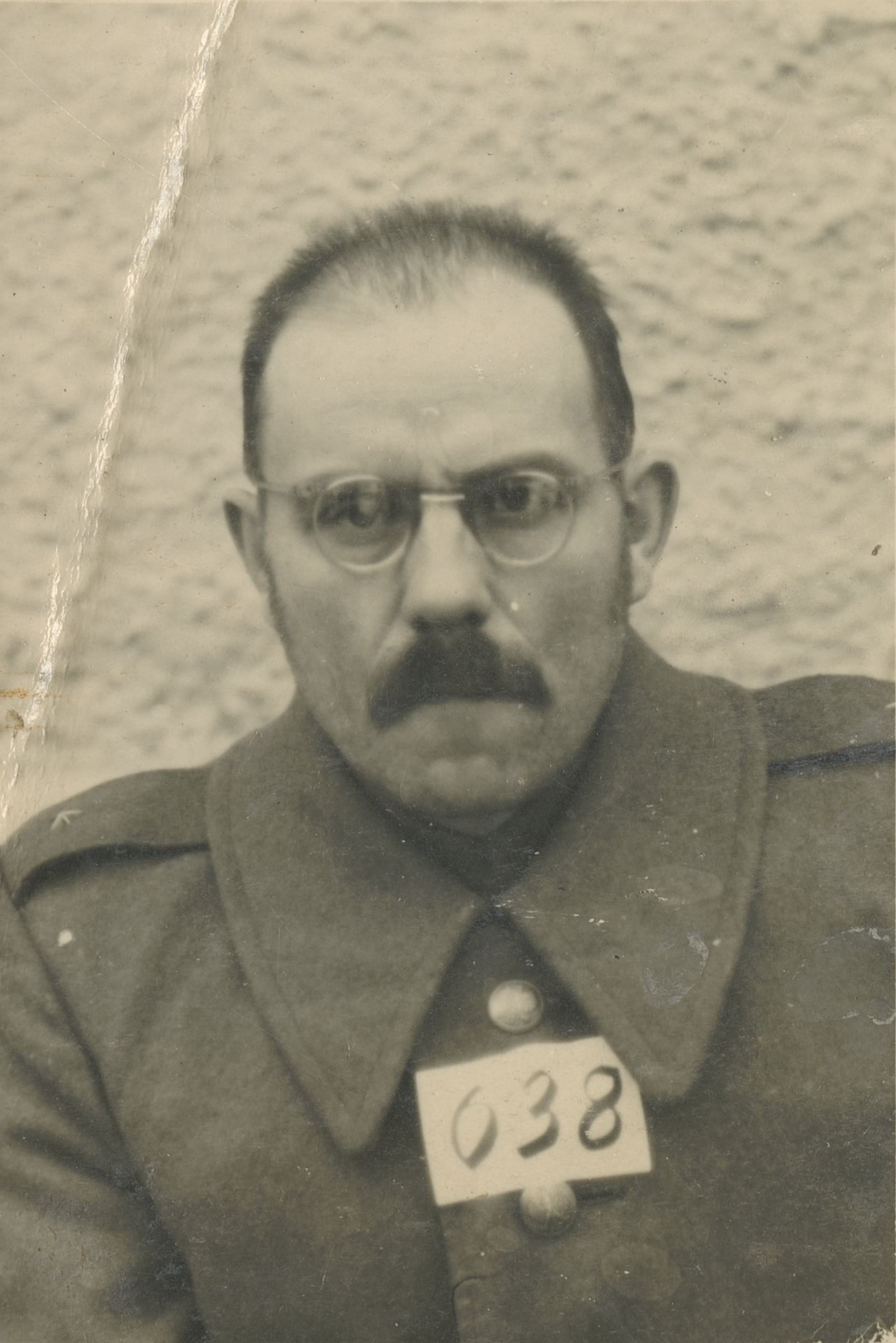
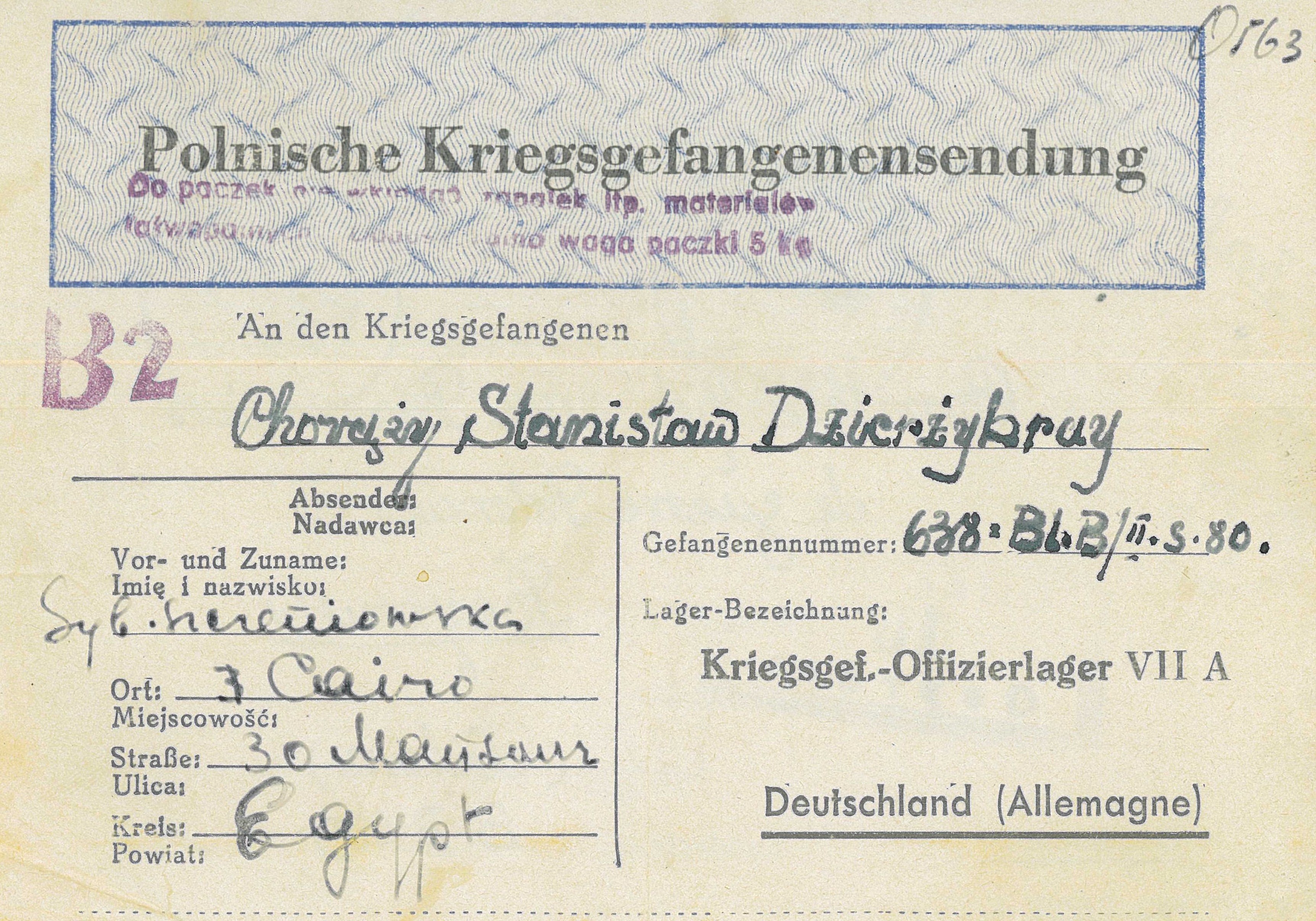
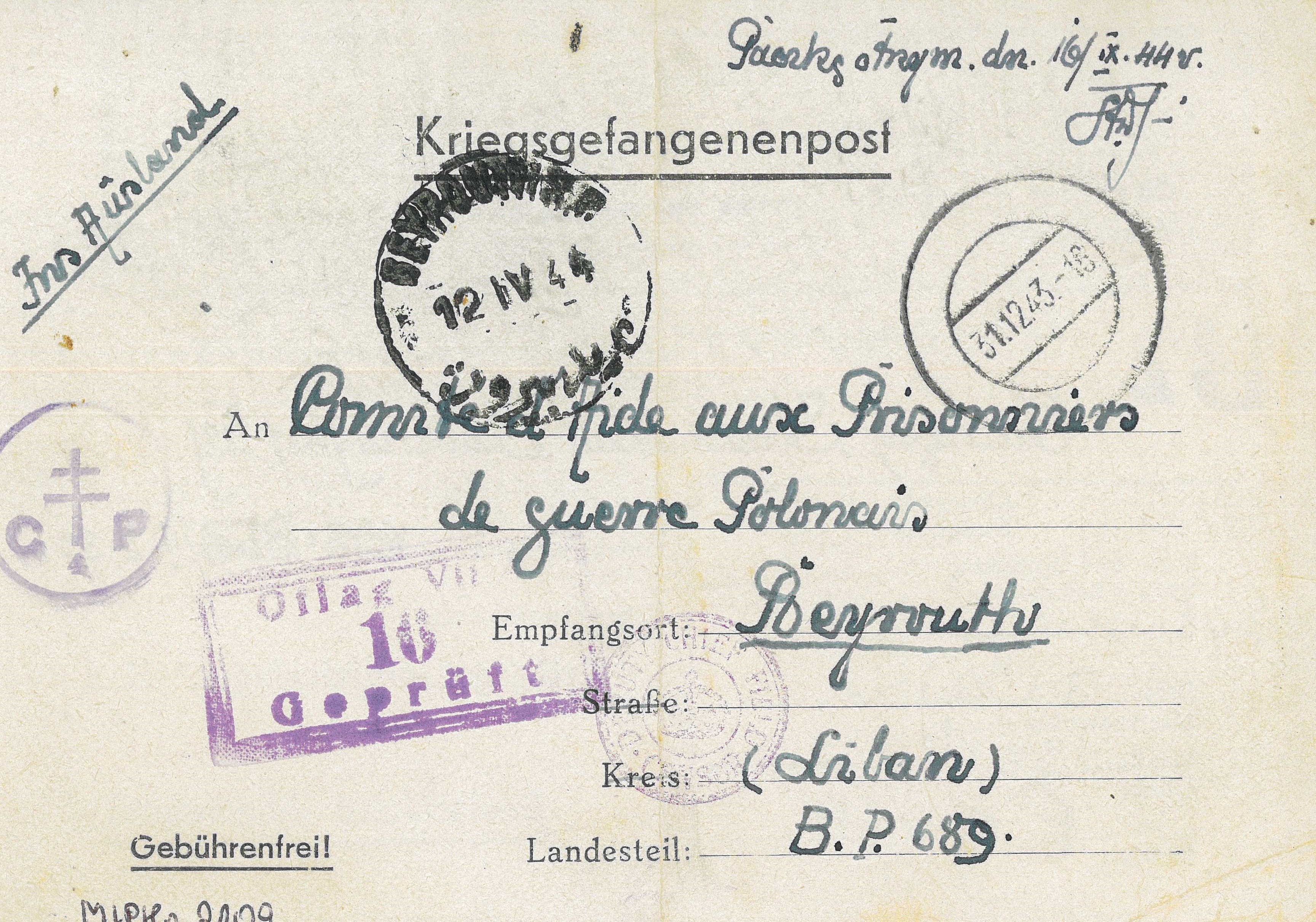
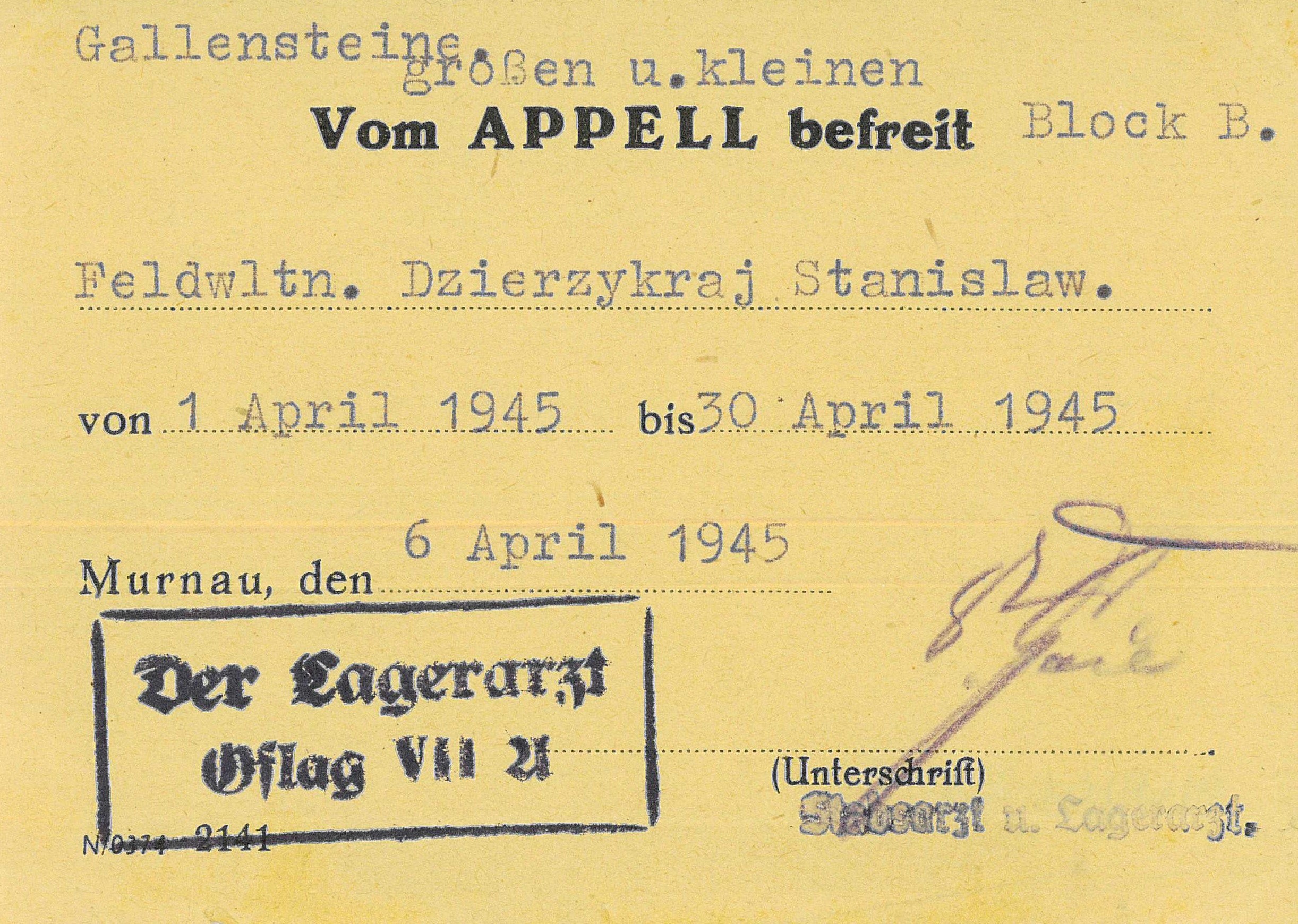
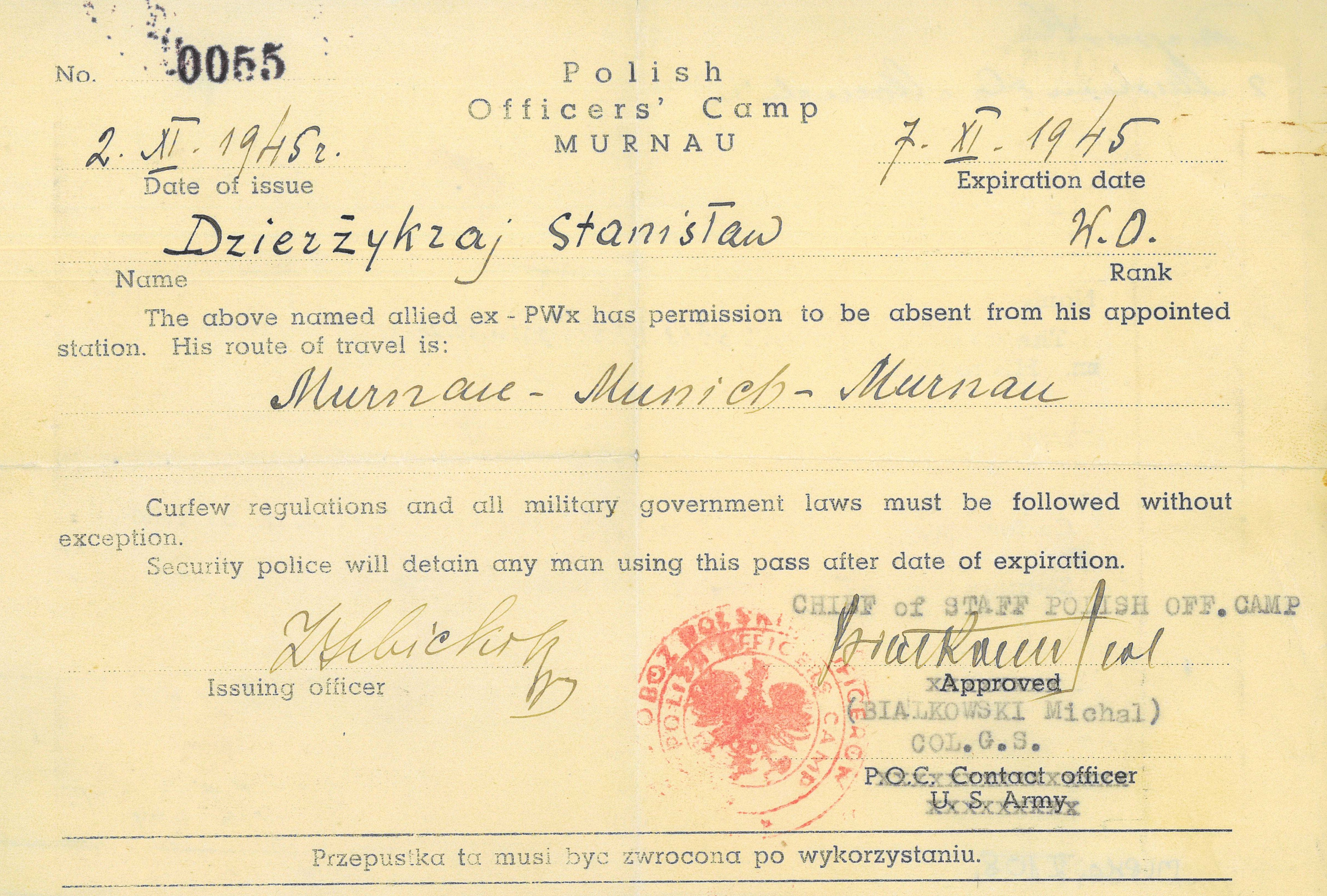
He spent the years 1939–1945 in two oflags in Bavaria: VII B – Eichstätt and VII A – Murnau. While in the oflag, he gave false personal data – in the prisoner of war list he was listed as Stanisław Dzierżykray (he changed his name for fear of repression that could fall on him and his family in retaliation for suppressing the German sabotage in the first days of the September campaign and for participating in the Greater Poland Uprising). At the end of April 1945, the Murnau oflag was liberated by American troops. After his release, Franciszczak, as Stanisław Dzierżykray, joined the Polish Armed Forces in the West, where, while retaining his military rank, he commanded a platoon and a company. In October 1948, he decided to return to Poland. In Leszno, he reported to the District Drafting Office, where his application for enlistment in the Polish Army was rejected and he was handed a decision transferring him to the reserves.
A year later he started working at the local PKS branch (goods department) as an office worker. He retired in 1962. For political reasons, as a veteran, he could join ZBoWiD only after the October thaw of 1956. He was active in the community and took part in numerous meetings, including those at schools and with scouts, where he spoke about the Greater Poland Uprising and September 1939. For his activities he was awarded, among others, the Officer's Cross of the Order of Polonia Restituta and the Greater Poland Uprising Cross.
As a veteran of the Greater Poland Uprising, he was appointed a retired second lieutenant by the Council of State. Stanisław Franciszczak died in Leszno in 1979. He was buried in the cemetery on Kąkolewska Street.
Franciszczak's unit was then sent to the Klonówiec area, where skirmishes with German forces periodically occurred. Mr. Stanisław recalls it this way:
One night, while the Germans were illuminating our foreground, I aimed one of our machine guns at this searchlight, pulling both bolts hard, and as the searchlight went out, I waited until it came on again. It took me a while to realize this; I quickly checked the direction of aim again and fired a single shot. The searchlight went out immediately, and the next day a German parliamentarian came to us with a complaint that an officer had been killed at the searchlight during the night.
The next stage in Stanisław Franciszczak's soldiering career was the Polish-Bolshevik War. As part of the Lithuanian-Belarusian front, the 1st Greater Poland Rifle Regiment was renamed the 55th Infantry Regiment on December 10, 1919. He fought, among others, in the area of Bobrujsk, Szaciłki, Bereza Kartuska and Janów Podlaski. Fierce fighting was also carried out near Lasków, in which Sergeant Franciszczak particularly distinguished himself. In recognition of his heroism, he was awarded the Cross of the Virtuti Militari, Class V, and the Cross of Valor. It is worth quoting the content of the Commander of Sergeant Stanisław Francisczak's application for awarding the Virtuti Militari Cross:
Near the village of Lasków on September 16 and 17, 1920, the 2nd Battalion took up positions, having the 5th Company and the 2nd Platoon of the 4th Company in reserve. To the left of the village were muddy fields, difficult to cross. The defensive line extended beyond these marshes. The enemy attacked several times; during the day he attacked the village in order to cut off the left wing and throw it into the mud. Sergeant Francisczak was given the task of holding the enemy at all costs on the village line if they broke through the defensive line, and of counterattacking to throw them back to their old positions. At night, two strong columns of the Bolsheviks violently attacked and broke through the front and ran into the village. Thanks to the extraordinary vigilance of Sergeant Franciszczak, he immediately placed the platoons in the indicated position, allowed the Bolshevik column to approach at close range and opened fire. The regiment's assistant commander, adjutant, and several communists fell dead, among many dead and wounded Bolsheviks.
Despite persistent attempts by the enemy and heavy losses in our army, Francisczak hunted down the enemy, not allowing him to leave the village, and thus saved the critical situation of the left wing. He then took the initiative from the enemy and led the platoon he had called up on his own in a counterattack. Thanks to his exceptional accuracy and extraordinary energy in pursuing the enemy, he contributed to the Bolsheviks being unable to regain control and leaving behind all five machine guns, numerous light rifles, and many prisoners. The entire retreat route was strewn with wounded and dead.
After returning from the front, the 55th Infantry Regiment was sent to Krotoszyn, then in 1921 to Leszno (1st Battalion) and Rawicz (2nd and 3rd Battalions). Senior Sergeant Stanisław Franciszczak was stationed in the 2nd Battalion in Rawicz. As an ambitious non-commissioned officer, in 1922 he passed the officer cadet examination in Poznań, which opened the way for his promotion to the rank of warrant officer, which was an officer rank in the interwar period. Unfortunately, reforms undertaken in the army, including the abolition of this rank in 1922, meant that he was only promoted to warrant officer in 1938.
While serving in the Rawicz garrison, in 1925 he married a resident of Leszno, Wanda Wunsch (1907–1987). A year later, in 1926, he was sent to Leszno along with the entire 2nd Battalion to the newly built barracks named after King Stanisław Leszczyński, located on what was then Cmentarna Street (now Jana Paweł II Avenue). Here, until September 1939, he held various positions, including commander of the machine gun platoon, head of the regiment's chancellery, adjutant of the Leszno Military District, and president of the Professional Non-Commissioned Officers' Association of the 55th Infantry Regiment. He was also co-author of a manual for training infantry non-commissioned officers of the 55th Poznań Infantry Regiment.
Like many married non-commissioned officers, he struggled with housing problems; a business apartment in the barracks became too small for the growing family. Therefore, in 1935 he took out a loan from Bank Gospodarstwa Krajowego to build a detached house (currently Racławicka Street 4). Thanks to the funds obtained, in 1937 he was able to move into a new building with a garden, located right next to the barracks. The contractor of the project was the Bruno Spichal company from Święciechowa. In the interwar period, he was repeatedly appreciated and awarded for his service, he was awarded the Medal of Independence, the Bronze Cross of Merit, the Commemorative Medal for the War of 1918–1921, the Medal of Regained Independence, the Silver and Bronze Medal for Long Service.
On September 1, 1939, the Germans attacked Poland. Subunits of the 55th Infantry Regiment were directed to suppress the activities of German saboteurs from the area of Leszno. Stanisław Franciszczak also took part in this operation – as an experienced soldier and veteran of the Greater Poland Uprising, he perfectly fulfilled the tasks entrusted to him. With the onslaught of German troops, on September 3, 1939, the Leszno regiments left the city, fighting numerous skirmishes with the enemy, and reached the Bzura line, where the largest battle of the September campaign took place. Despite initial successes, the Polish forces defeated the Pomeranian and Poznań Armies, and the 55th Infantry Regiment suffered the same fate. Ensign Franciszczak was captured near Kutno on September 19/20, 1939.
He spent the years 1939–1945 in two oflags in Bavaria: VII B – Eichstätt and VII A – Murnau. While in the oflag, he gave false personal data – in the prisoner of war list he was listed as Stanisław Dzierżykray (he changed his name for fear of repression that could fall on him and his family in retaliation for suppressing the German sabotage in the first days of the September campaign and for participating in the Greater Poland Uprising). At the end of April 1945, the Murnau oflag was liberated by American troops. After his release, Franciszczak, as Stanisław Dzierżykray, joined the Polish Armed Forces in the West, where, while retaining his military rank, he commanded a platoon and a company. In October 1948, he decided to return to Poland. In Leszno, he reported to the District Drafting Office, where his application for enlistment in the Polish Army was rejected and he was handed a decision transferring him to the reserves.
A year later he started working at the local PKS branch (goods department) as an office worker. He retired in 1962. For political reasons, as a veteran, he could join ZBoWiD only after the October thaw of 1956. He was active in the community and took part in numerous meetings, including those at schools and with scouts, where he spoke about the Greater Poland Uprising and September 1939. For his activities he was awarded, among others, the Officer's Cross of the Order of Polonia Restituta and the Greater Poland Uprising Cross.
As a veteran of the Greater Poland Uprising, he was appointed a retired second lieutenant by the Council of State. Stanisław Franciszczak died in Leszno in 1979. He was buried in the cemetery on Kąkolewska Street.
Illustrations
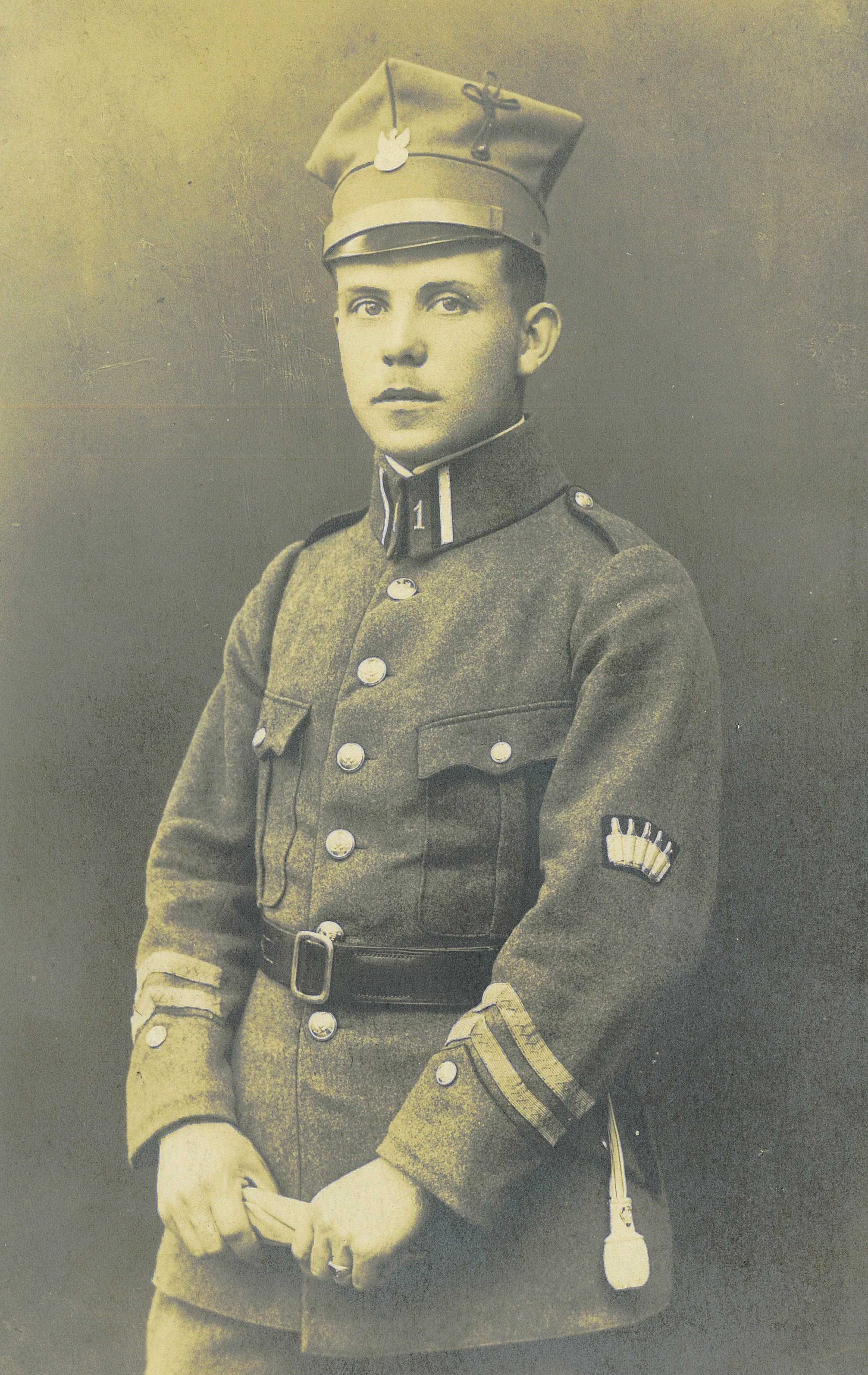
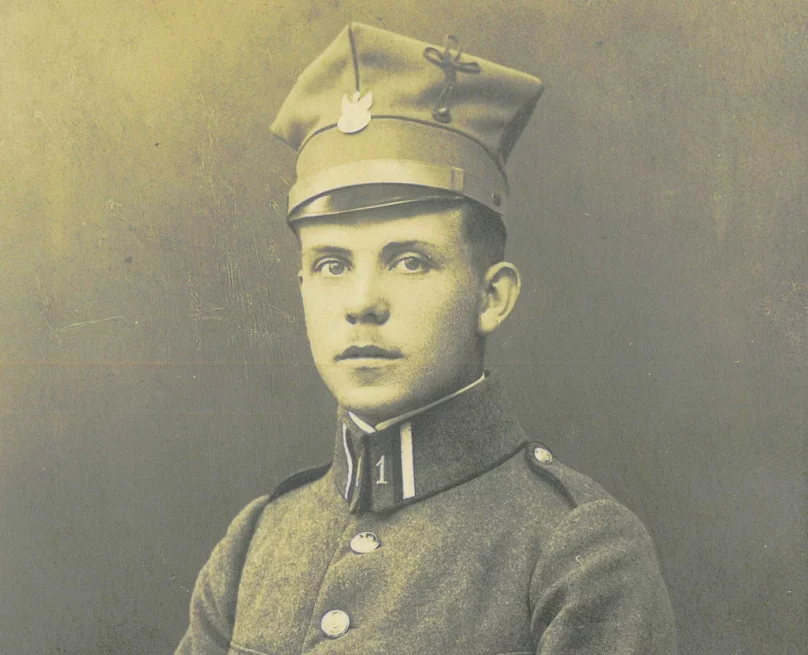
1. MLFa 2087 – captain of the 1st Greater Poland Rifle Regiment (later 55th Poznań Infantry Regiment) from the heavy machine gun unit, 1919
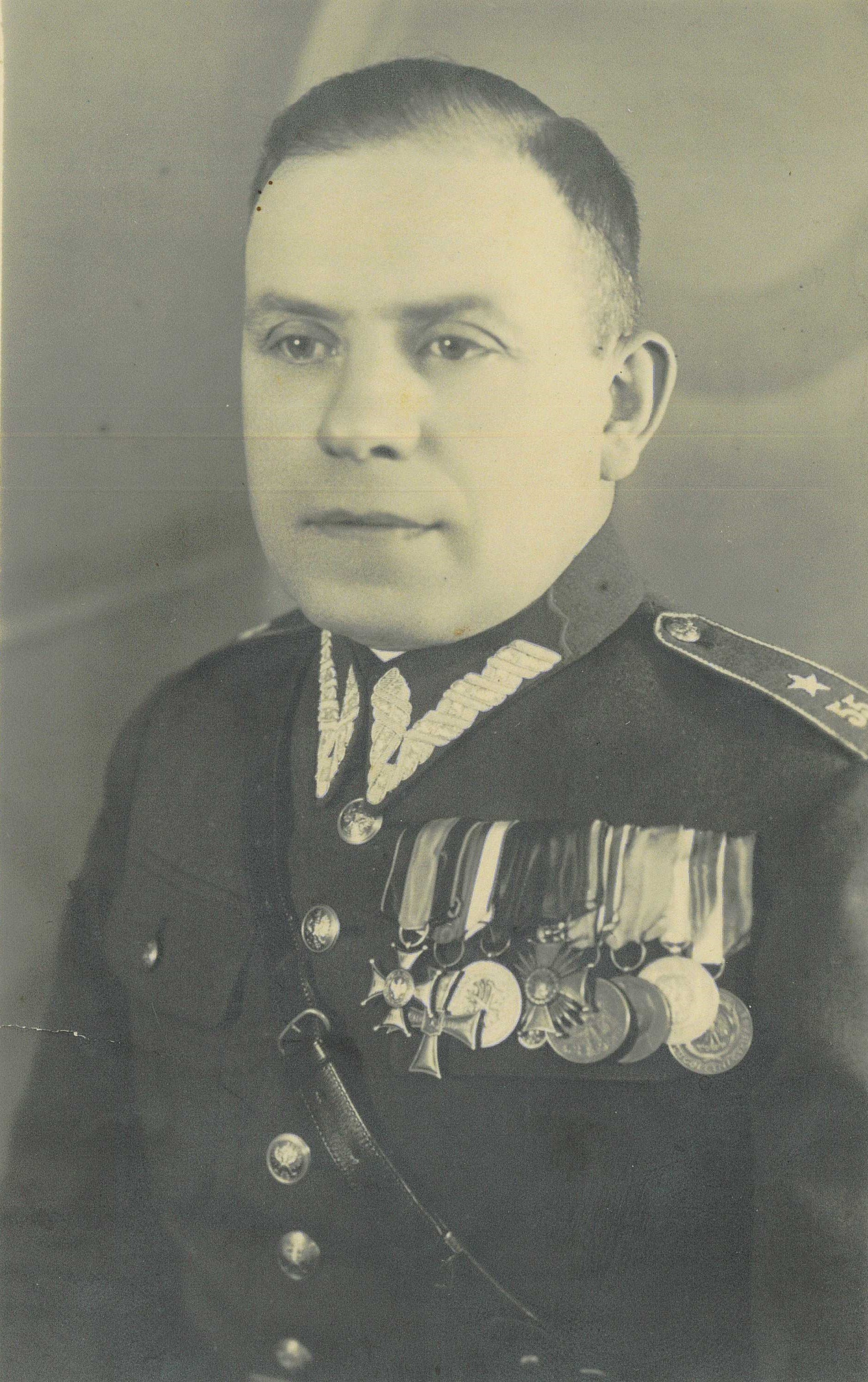
2. MLFa 2097 – Senior Sergeant of the 55th Poznań Infantry Regiment Stanisław Franciszczak, circa 1935
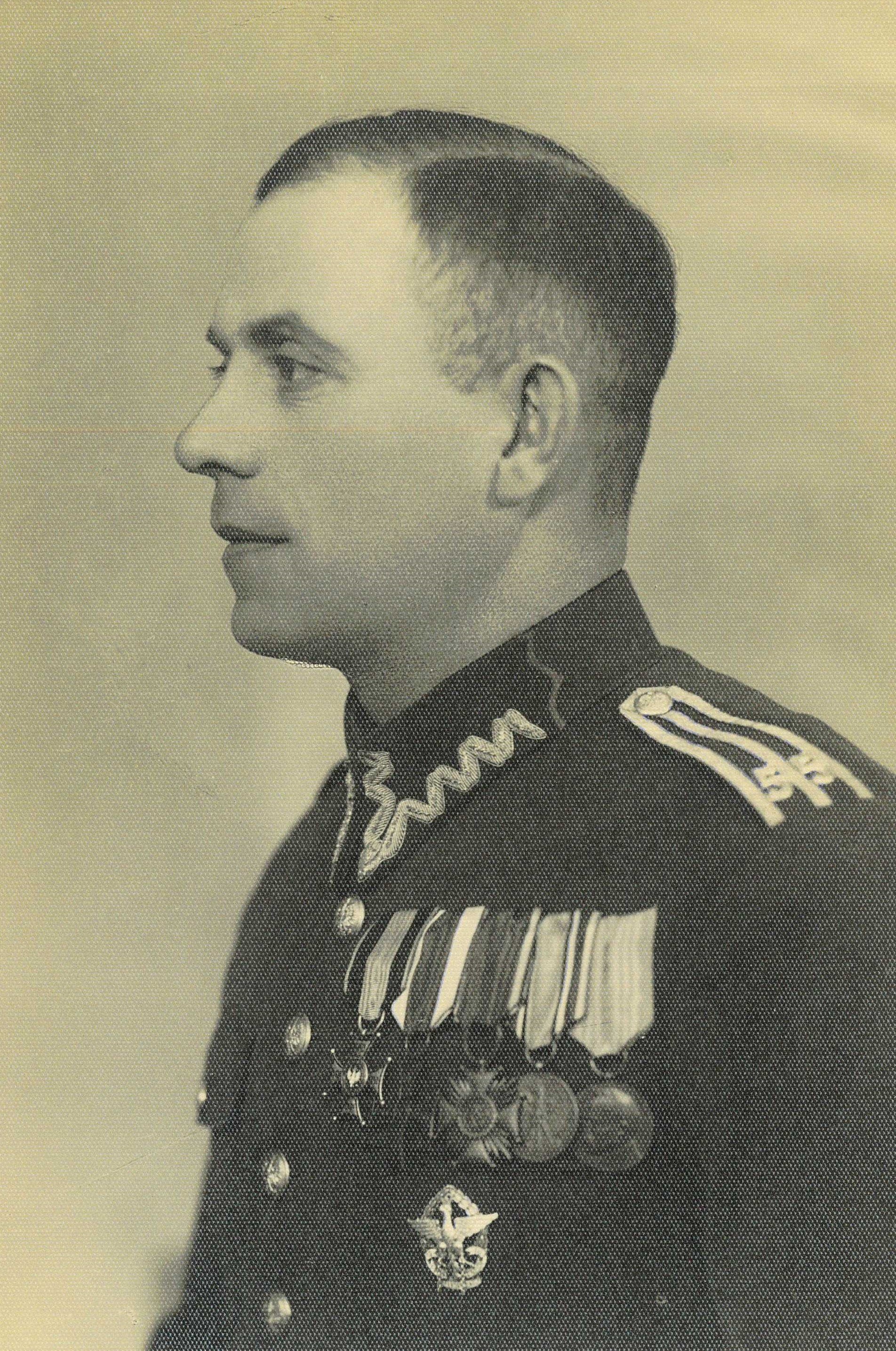
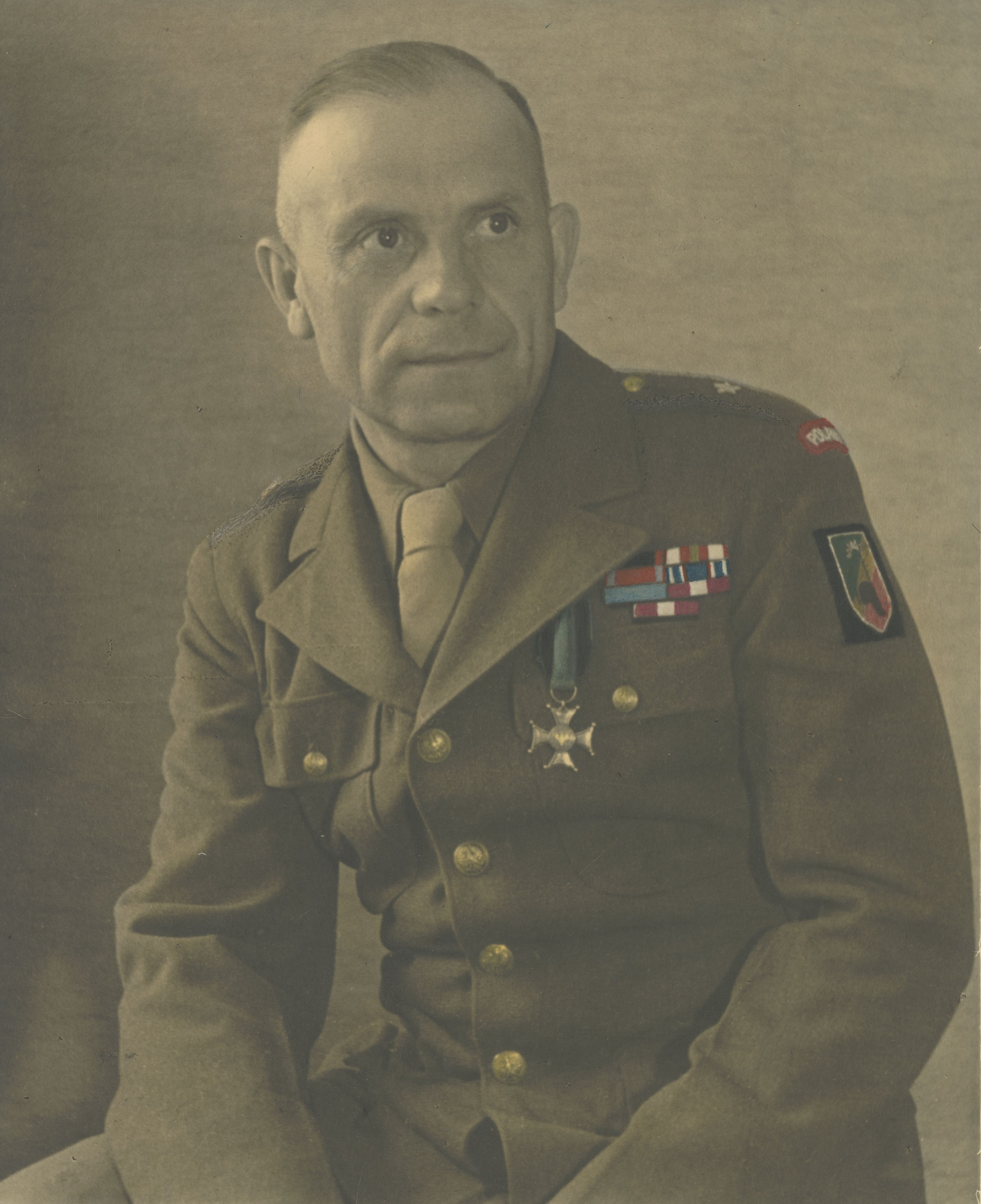
3. MLFa 2096 – Warrant Officer Stanisław Franciszczak, circa 1939
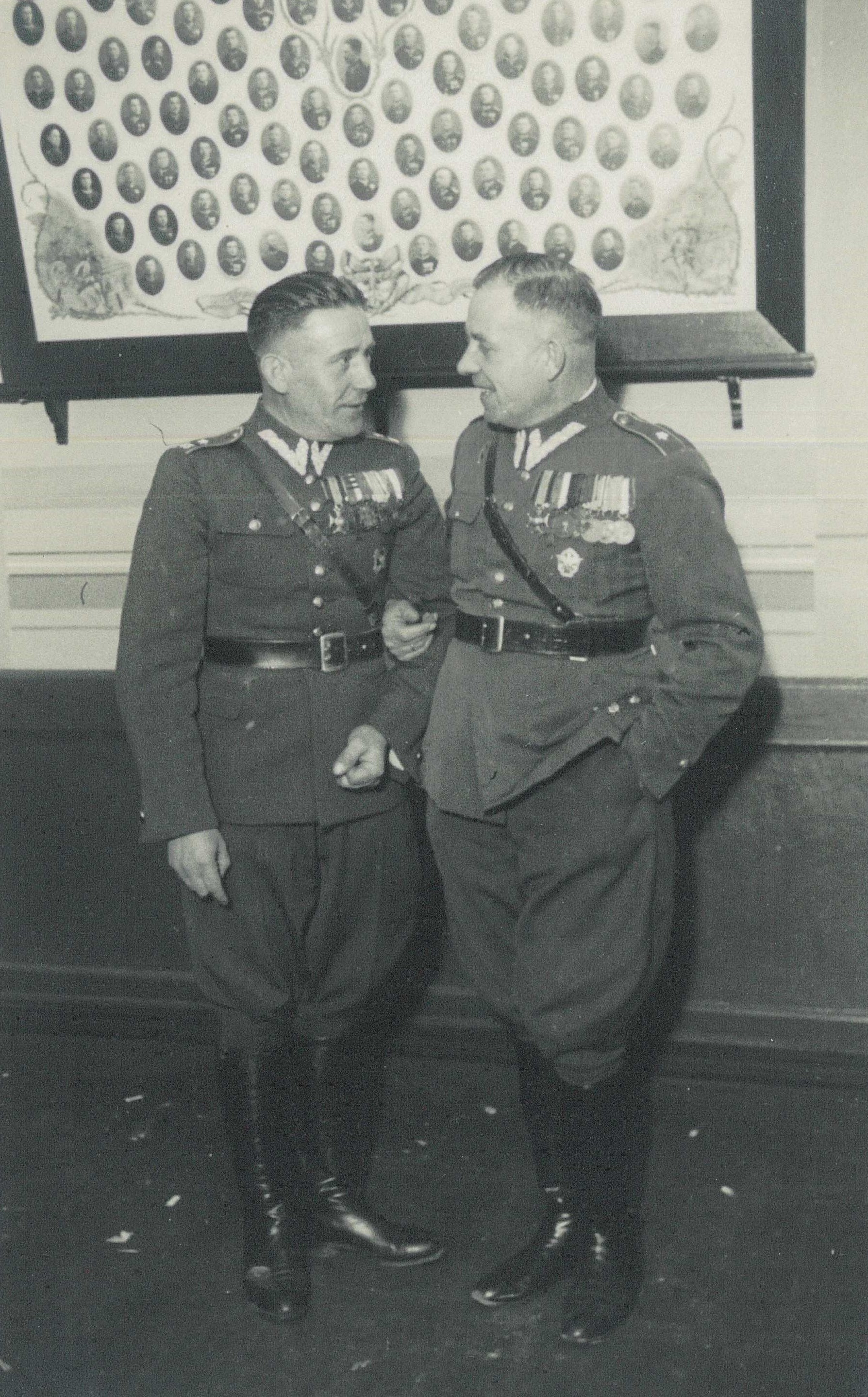
4. MLFa 2123 – in the officers' canteen, circa 1939
5. MLFa 3480 – Warrant Officer Stanisław Dzierżykray (Stanisław Franciszczak), photograph from the Oflag, after 1939.
6. MLPHa 2109 – card addressed to prisoner of war Stanisław Dzierżykray (Stanisław Franciszczak), 1943/44 (obverse and reverse)
7. MLPHa 2110 – medical certificates issued by the camp doctor, April 1945.
8. MLPHa 2108 – pass authorizing travel on the route: Murnau – Munich – Murnau, November 1945.
9. MLH 3489 – Stanisław Dzierżykray (Stanisław Franciszczak) as standard-bearer of the Polish Armed Forces in the West, circa 1946.
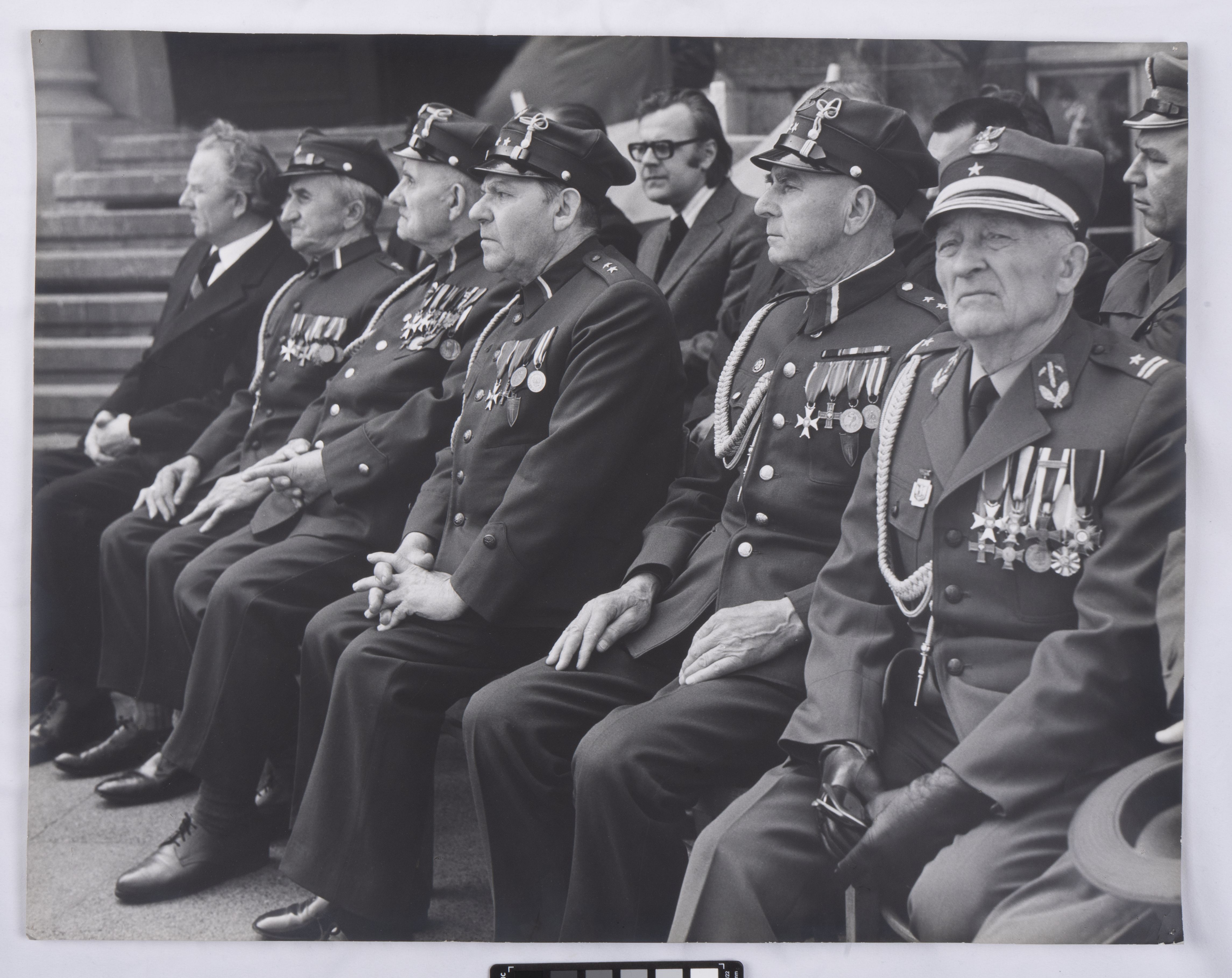
10.MLFa 2881 – Stanisław Franciszczak among the veterans of the Greater Poland Uprising, 1974
2. MLFa 2097 – Senior Sergeant of the 55th Poznań Infantry Regiment Stanisław Franciszczak, circa 1935
3. MLFa 2096 – Warrant Officer Stanisław Franciszczak, circa 1939
4. MLFa 2123 – in the officers' canteen, circa 1939
5. MLFa 3480 – Warrant Officer Stanisław Dzierżykray (Stanisław Franciszczak), photograph from the Oflag, after 1939.
6. MLPHa 2109 – card addressed to prisoner of war Stanisław Dzierżykray (Stanisław Franciszczak), 1943/44 (obverse and reverse)
7. MLPHa 2110 – medical certificates issued by the camp doctor, April 1945.
8. MLPHa 2108 – pass authorizing travel on the route: Murnau – Munich – Murnau, November 1945.
9. MLH 3489 – Stanisław Dzierżykray (Stanisław Franciszczak) as standard-bearer of the Polish Armed Forces in the West, circa 1946.
10.MLFa 2881 – Stanisław Franciszczak among the veterans of the Greater Poland Uprising, 1974
11
photos