Pardes Festival 2026 is behind us.
On September 11–13 and 18–20, Leszno, Wschowa, and Rydzyna became venues for encounters with Jewish history, culture, and heritage. The District Museum in Leszno was one of the partners of this year's Pardes Festival.
After thirteen years of journeying through the Jewish heritage of the Lublin region, the 2026 Pardes Festival set out on the trails of Greater Poland's multicultural heritage. Festival events took place in Leszno, Wschowa, and Rydzyna, creating a space to explore the history of these towns, their multicultural past, and the legacy of their Jewish communities.
The festival's name draws on the Hebrew word "pardes," meaning garden, orchard, or paradise, while also representing the four levels of Torah interpretation in Jewish tradition. The organizers employ this metaphor as an invitation to step into the "garden" of memory, tradition, and Jewish culture, and to explore the rich multicultural heritage of Poland and Europe.
Pardes Festival at the District Museum in Leszno
Part of the festival's events took place at the District Museum in Leszno and the former synagogue located at 31 Narutowicza Street.
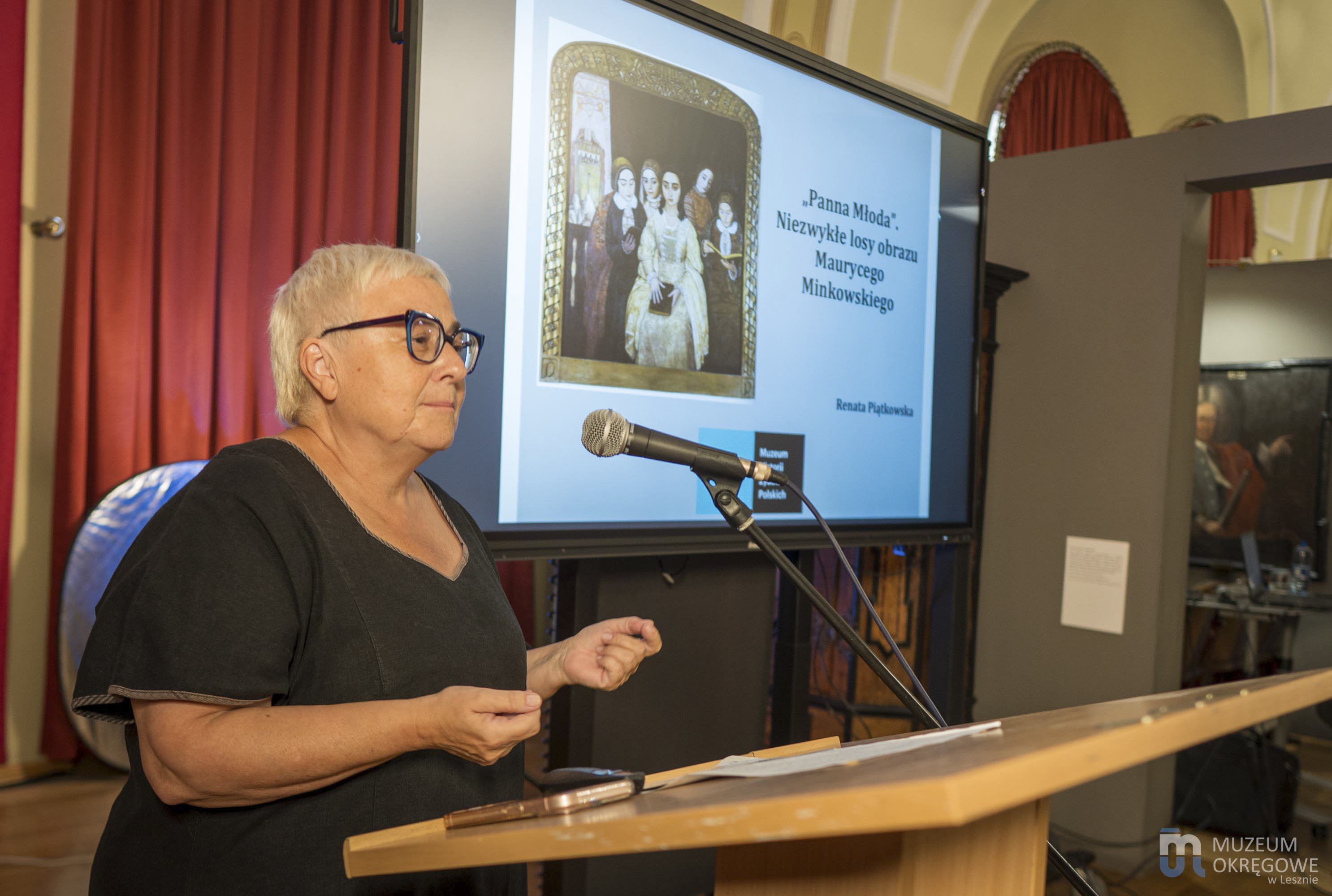
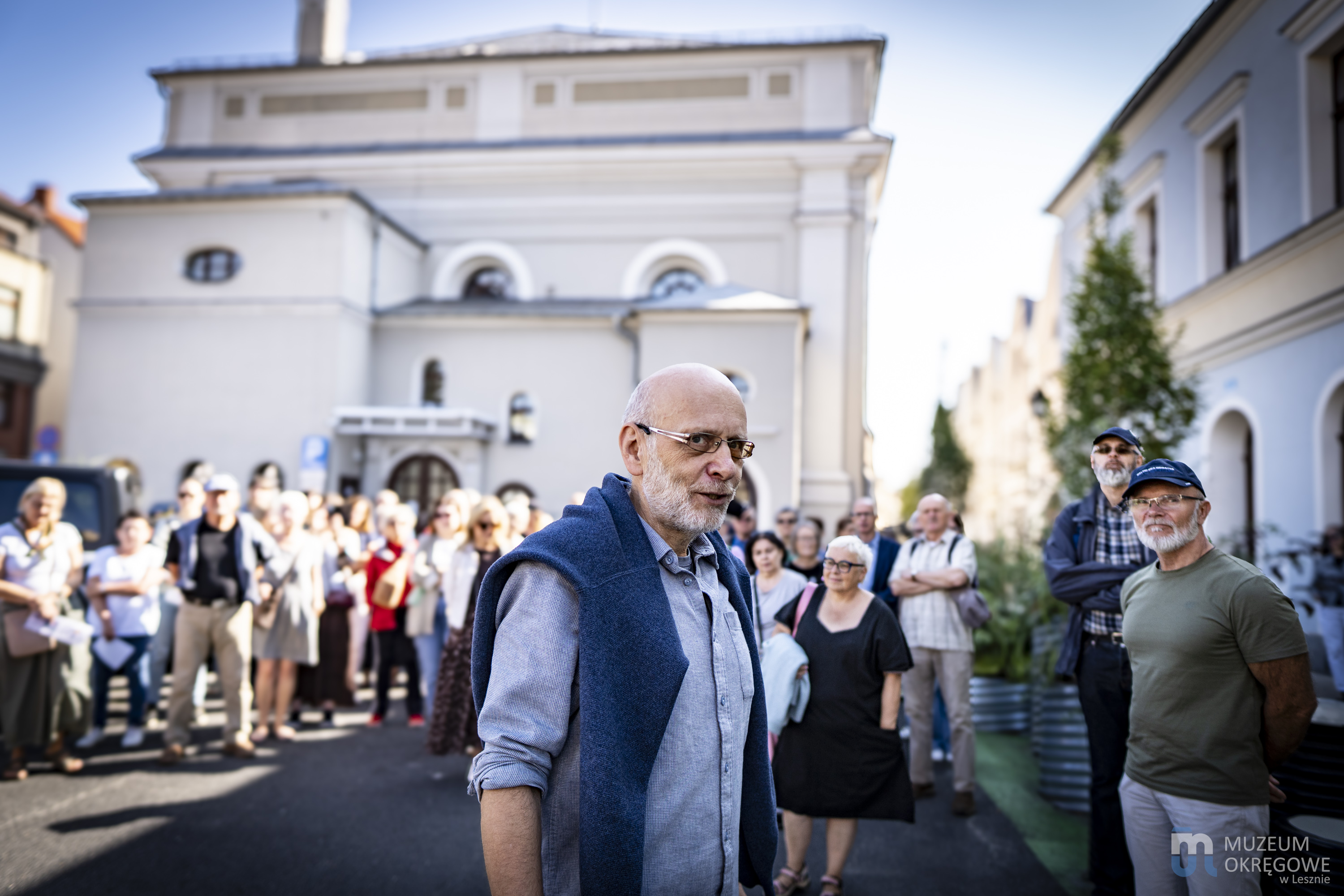
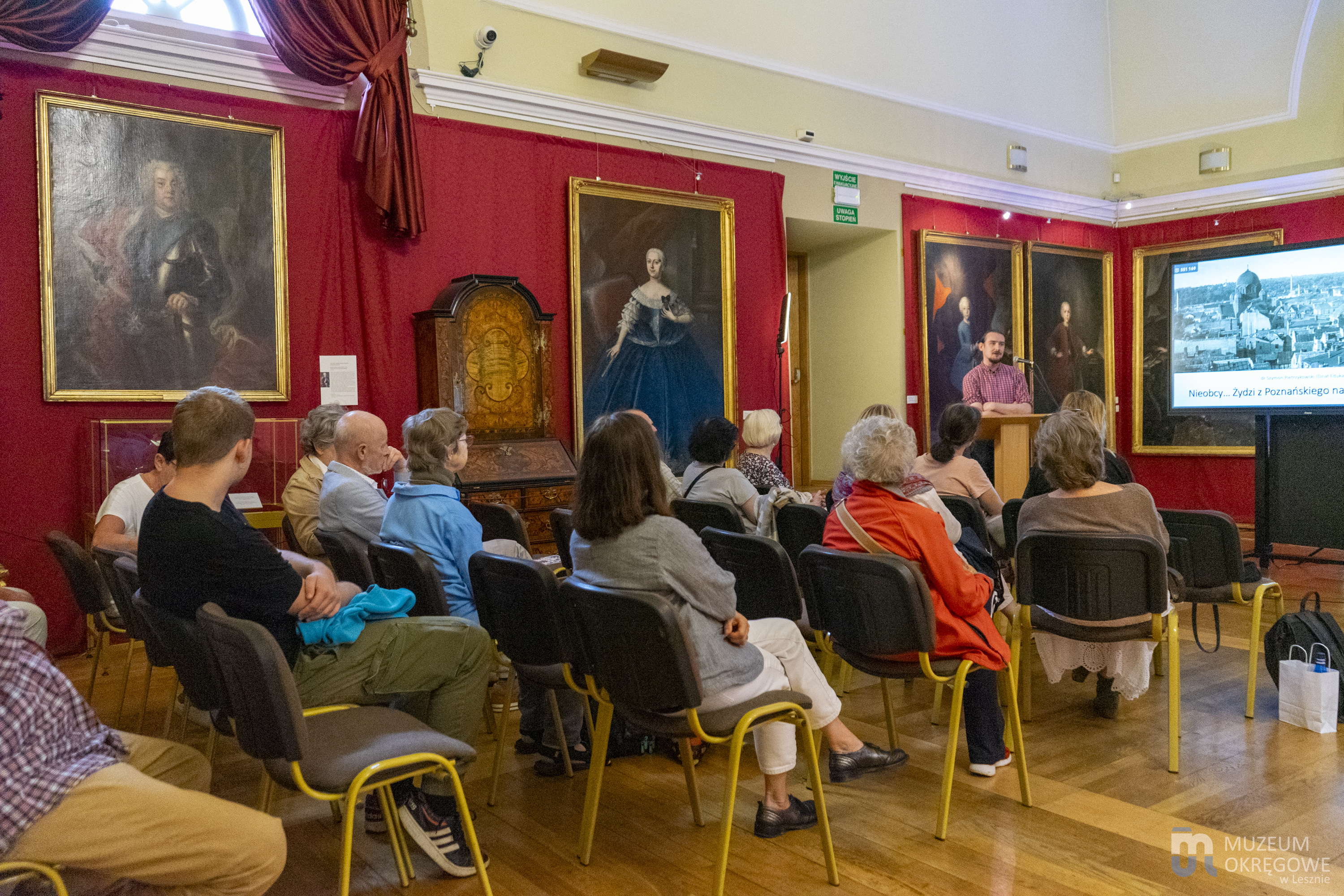
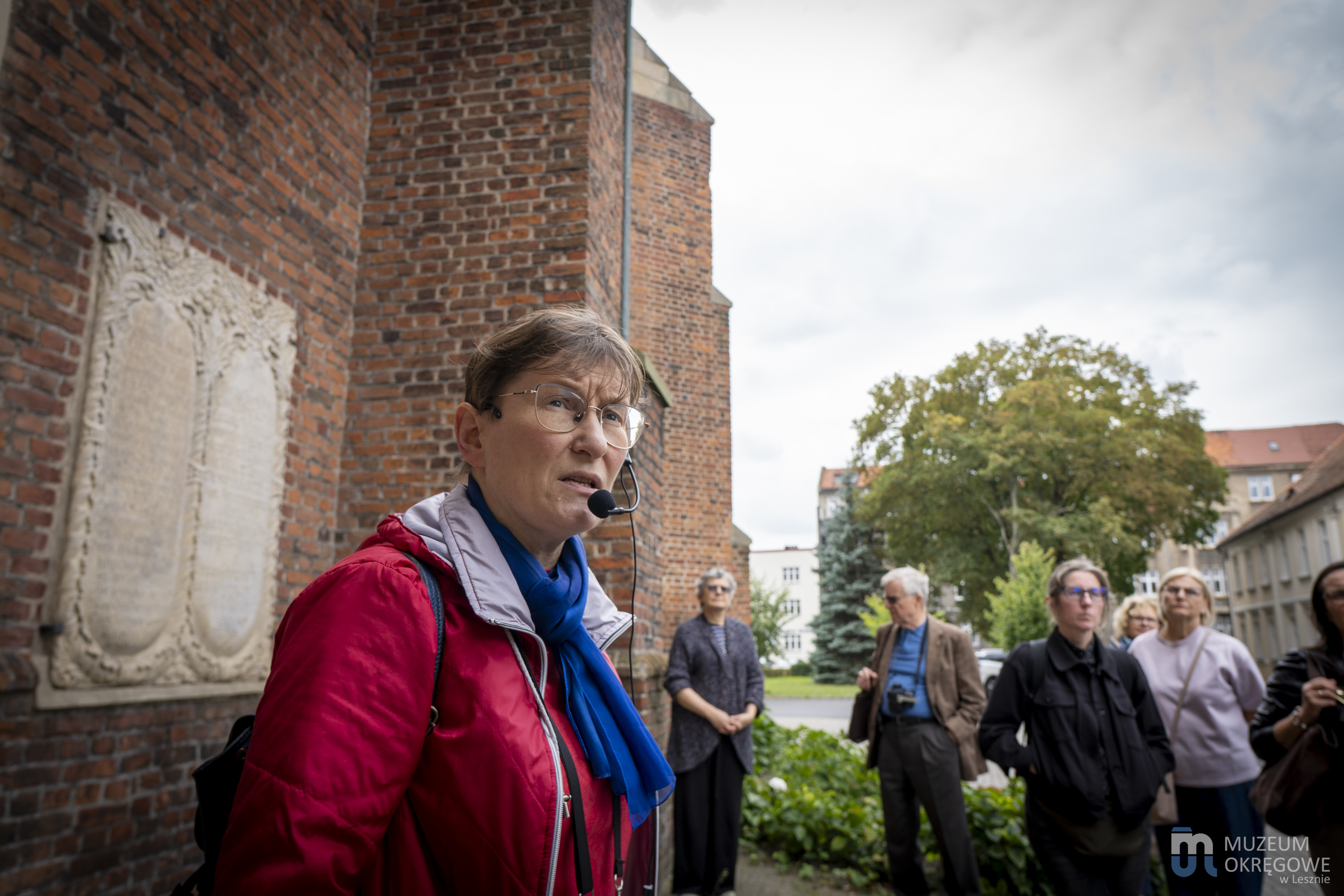
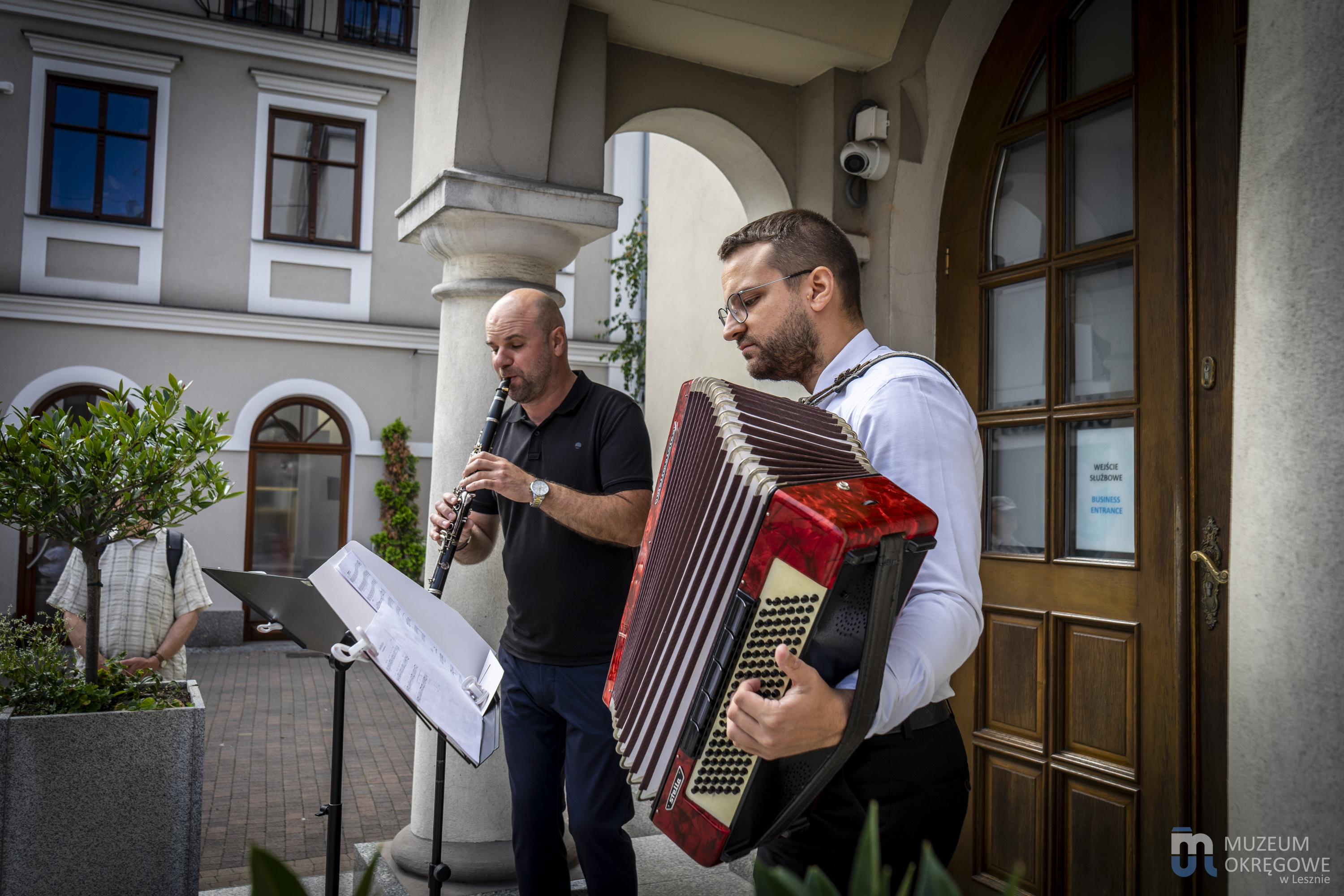
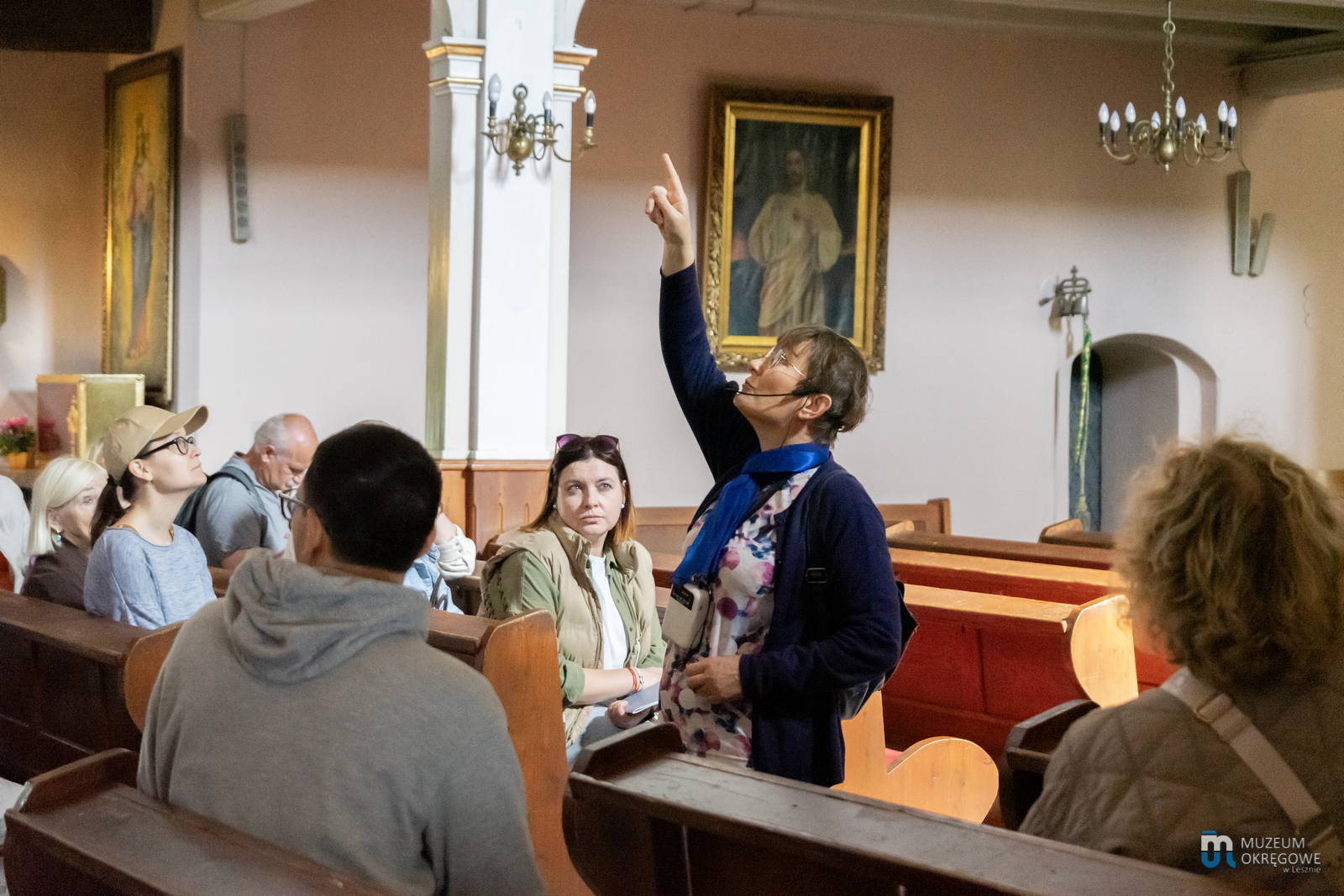
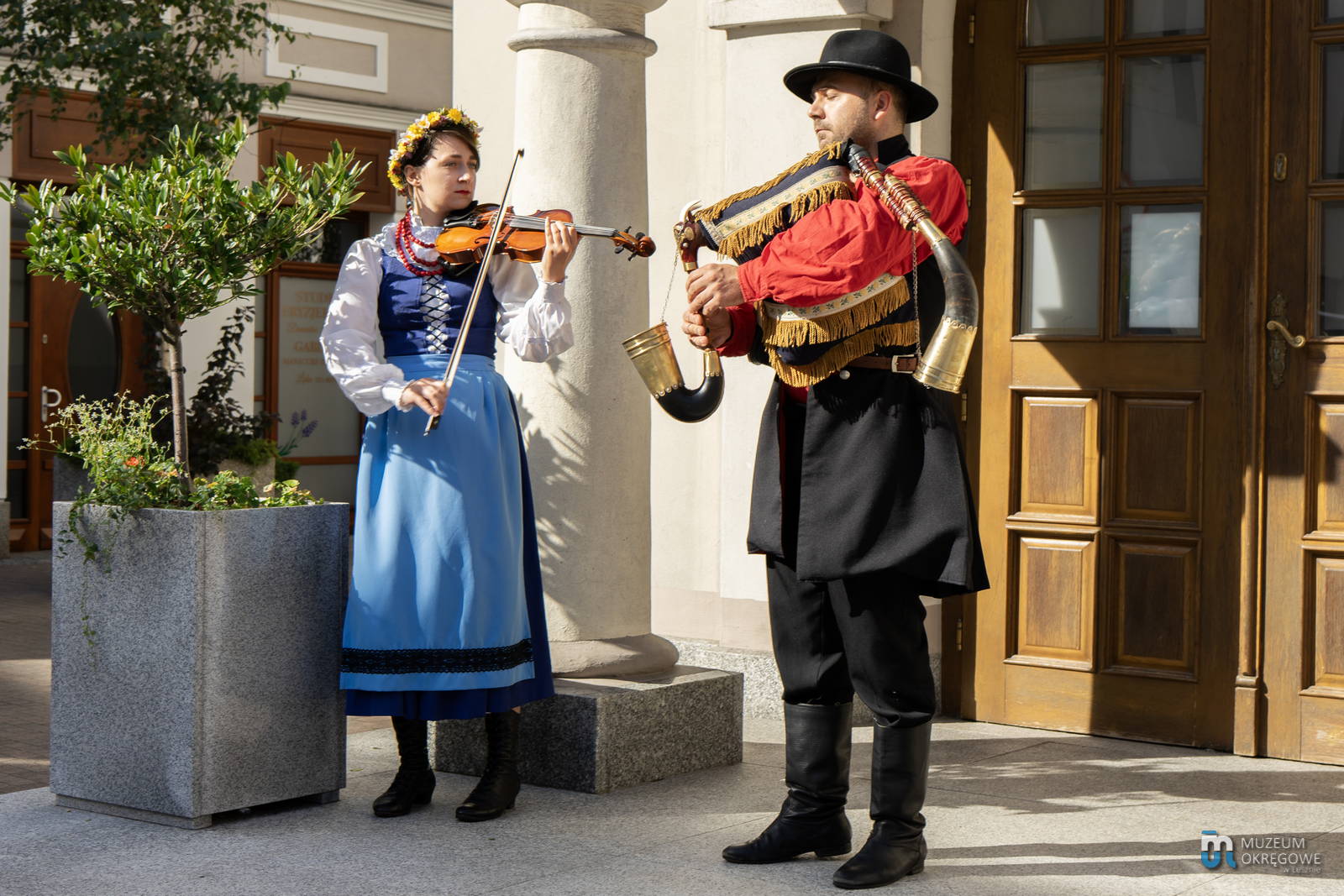
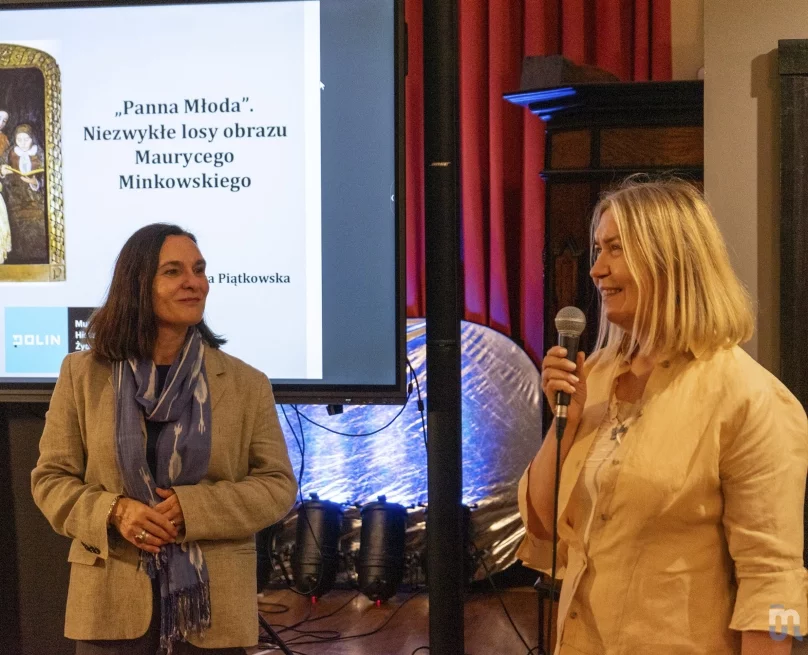
The first weekend, September 11–13, began on Friday with a lecture titled "The Bride – The Extraordinary History of Maurycy Minkowski’s Painting," led by Dr. Renata Piątkowska from the POLIN Museum of the History of Polish Jews. The following day, participants could join the guided walk "Images from the Past: A Walk in the Footsteps of Leszno Jews" and later attend a lecture by Dr. Szymon Pietrzykowski from the Jewish Historical Institute, dedicated to the history of Greater Poland Jews. The day's program was complemented by a musical performance, "Jewish-Style Jam Session" (Pograjki na żydowską nutę), and a themed tour titled "Jewish history of Leszno in the permanent exhibition at the District Museum in Leszno."
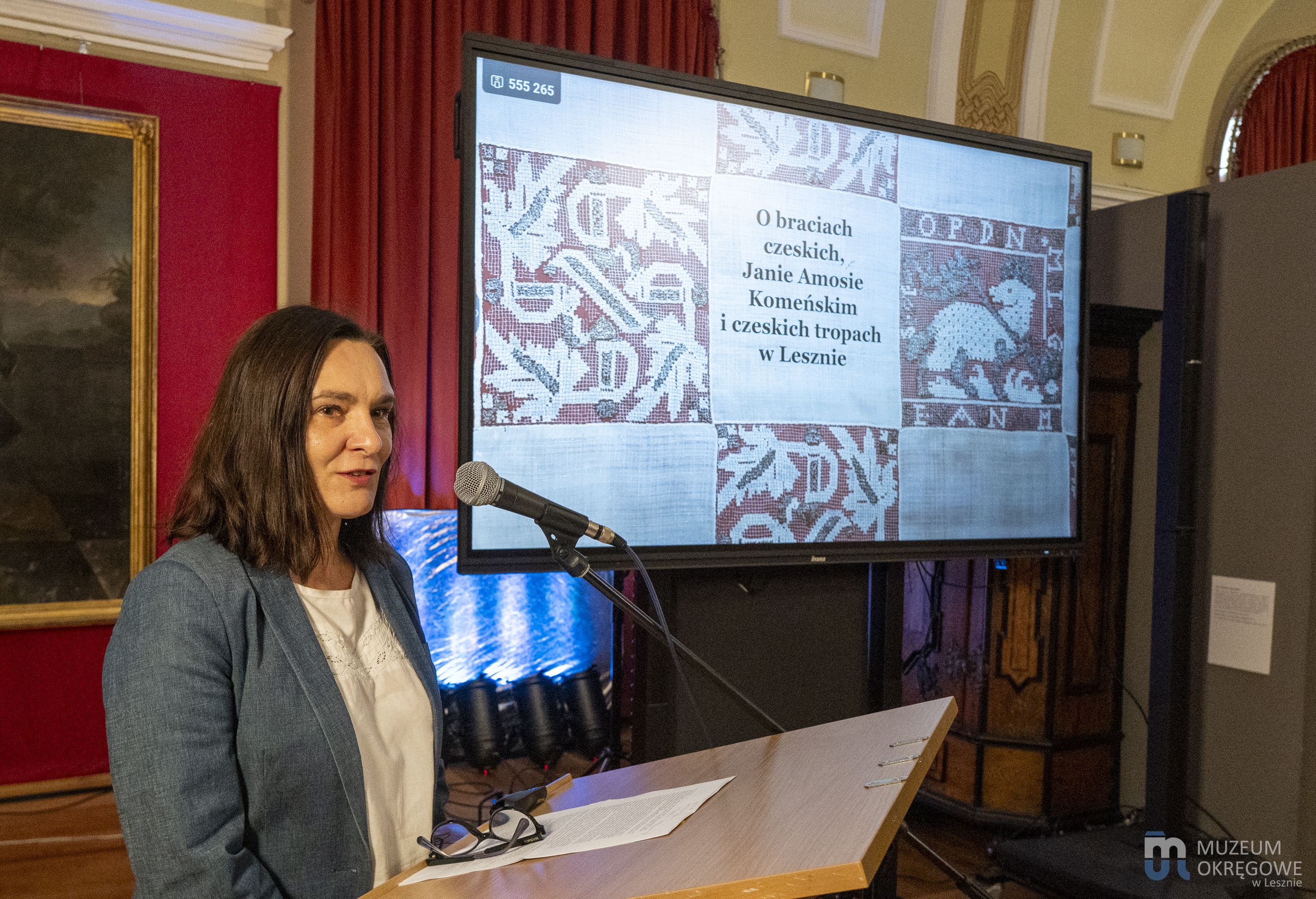
On Sunday, September 13, Dr. Kamila Szymańska introduced the history of the Unity of the Brethren, John Amos Comenius, and Czech traces in Leszno, after which the participants set off on a walk dedicated to the history and heritage of the Unity of the Brethren in our city.
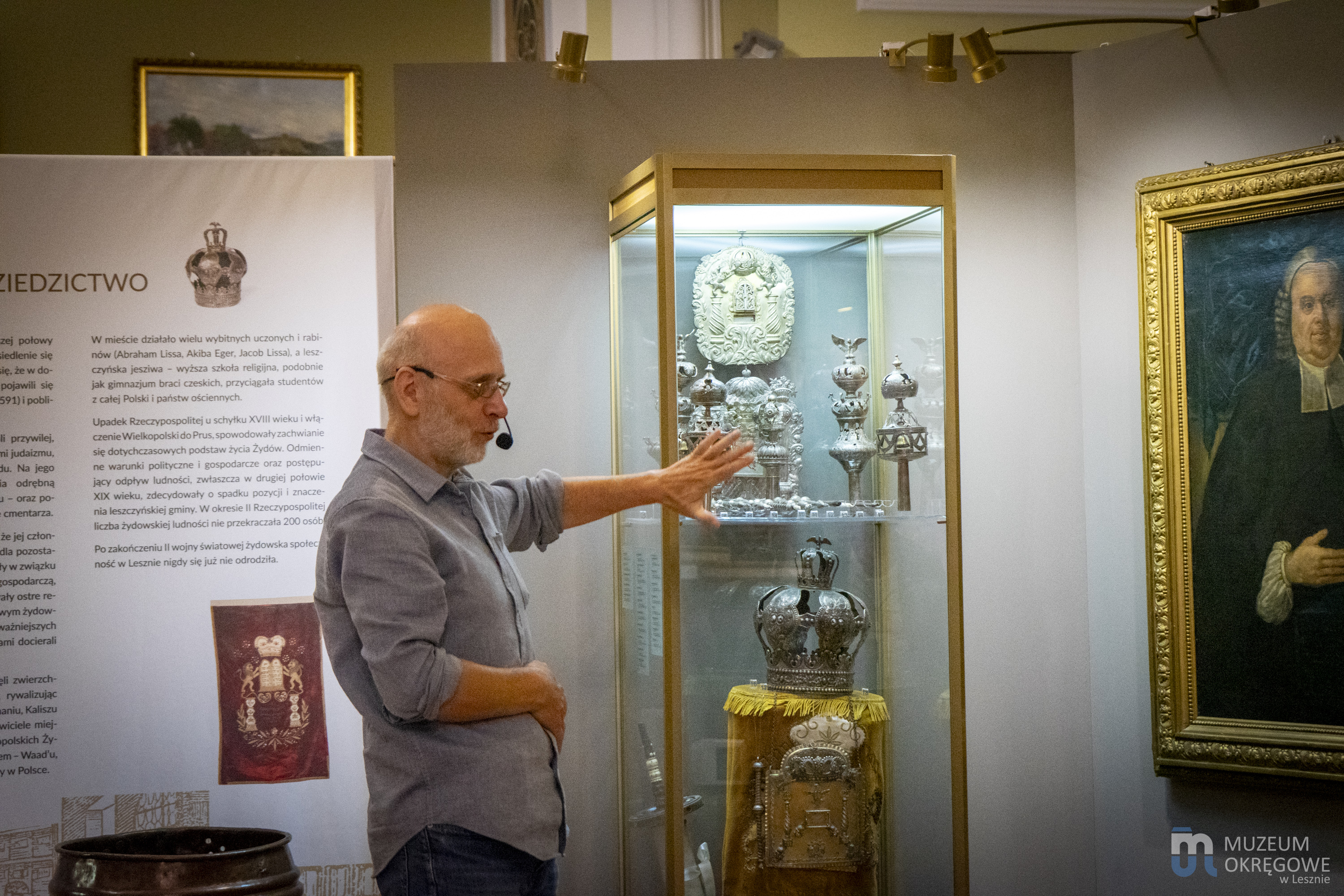
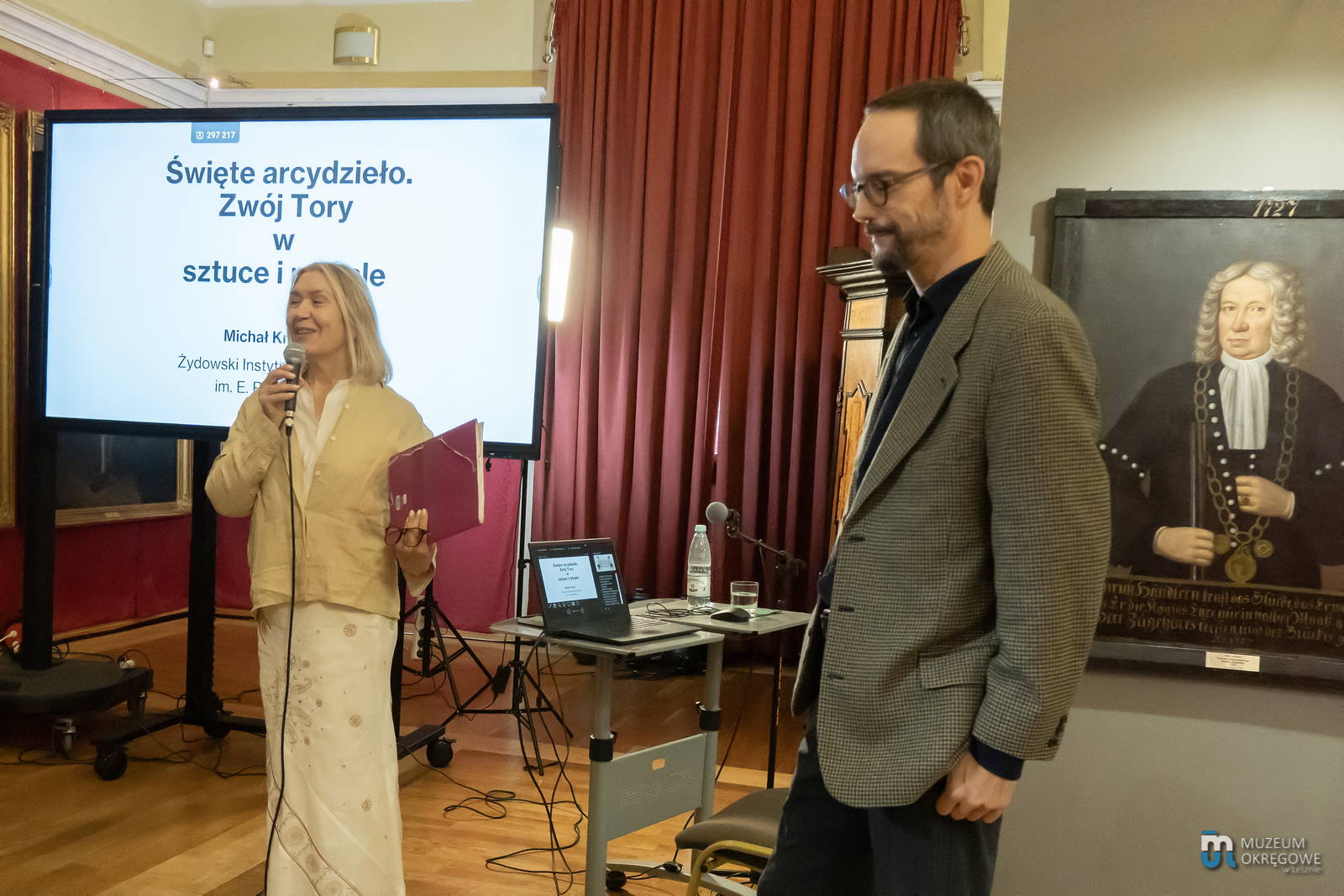
The second festival weekend began with a lecture titled "A Sacred Masterpiece: The Torah Scroll in Art and Ritual," led by Michał Krasicki from the Jewish Historical Institute. On Saturday, participants could look forward to more musical events and a guided walk titled "Images from the Past: A Walk along the Trail of Leszno’s Multicultural Heritage."
The festival events provided an opportunity to look at Leszno from the perspective of its multicultural history and to remember the communities that for centuries helped shape the city’s character. The festival combined various forms of cultural engagement, encouraging participants to learn about history through words, images, music, and direct interaction with the urban space. The District Museum in Leszno also organized a companion event to the festival—an exhibition dedicated to Leo Baeck, a Leszno-born rabbi, philosopher, and spiritual leader of Jews during the Nazi regime.
We would like to thank the organizers of the Pardes Festival for the invitation to cooperate, and all the participants for their presence and for discovering the history and multicultural heritage of Leszno together.
After thirteen years of journeying through the Jewish heritage of the Lublin region, the 2026 Pardes Festival set out on the trails of Greater Poland's multicultural heritage. Festival events took place in Leszno, Wschowa, and Rydzyna, creating a space to explore the history of these towns, their multicultural past, and the legacy of their Jewish communities.
The festival's name draws on the Hebrew word "pardes," meaning garden, orchard, or paradise, while also representing the four levels of Torah interpretation in Jewish tradition. The organizers employ this metaphor as an invitation to step into the "garden" of memory, tradition, and Jewish culture, and to explore the rich multicultural heritage of Poland and Europe.
Pardes Festival at the District Museum in Leszno
Part of the festival's events took place at the District Museum in Leszno and the former synagogue located at 31 Narutowicza Street.
The first weekend, September 11–13, began on Friday with a lecture titled "The Bride – The Extraordinary History of Maurycy Minkowski’s Painting," led by Dr. Renata Piątkowska from the POLIN Museum of the History of Polish Jews. The following day, participants could join the guided walk "Images from the Past: A Walk in the Footsteps of Leszno Jews" and later attend a lecture by Dr. Szymon Pietrzykowski from the Jewish Historical Institute, dedicated to the history of Greater Poland Jews. The day's program was complemented by a musical performance, "Jewish-Style Jam Session" (Pograjki na żydowską nutę), and a themed tour titled "Jewish history of Leszno in the permanent exhibition at the District Museum in Leszno."
On Sunday, September 13, Dr. Kamila Szymańska introduced the history of the Unity of the Brethren, John Amos Comenius, and Czech traces in Leszno, after which the participants set off on a walk dedicated to the history and heritage of the Unity of the Brethren in our city.
The second festival weekend began with a lecture titled "A Sacred Masterpiece: The Torah Scroll in Art and Ritual," led by Michał Krasicki from the Jewish Historical Institute. On Saturday, participants could look forward to more musical events and a guided walk titled "Images from the Past: A Walk along the Trail of Leszno’s Multicultural Heritage."
The festival events provided an opportunity to look at Leszno from the perspective of its multicultural history and to remember the communities that for centuries helped shape the city’s character. The festival combined various forms of cultural engagement, encouraging participants to learn about history through words, images, music, and direct interaction with the urban space. The District Museum in Leszno also organized a companion event to the festival—an exhibition dedicated to Leo Baeck, a Leszno-born rabbi, philosopher, and spiritual leader of Jews during the Nazi regime.
We would like to thank the organizers of the Pardes Festival for the invitation to cooperate, and all the participants for their presence and for discovering the history and multicultural heritage of Leszno together.
10
Photo gallery